Common Lawn Issues
At Classic Gardens & Landscape, Inc., we believe that an informed homeowner is better equipped to maintain a healthy, beautiful lawn. This resource provides information about common lawn insects, diseases, weeds, mowing practices, and watering recommendations. If you're experiencing lawn issues and need professional assistance, call us at 205-854-8001.
Common Lawn Insects
Spittlebugs
Signs & Damage:
- Damaged turf wilts and tips turn yellow, eventually turning brown and curling.
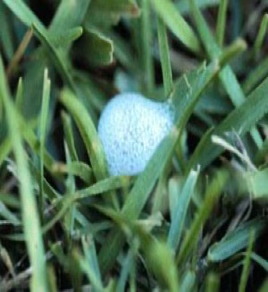
- Produces masses of frothy "spittle" on grass, leaves, and stems.
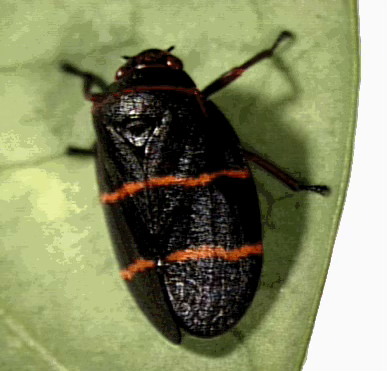
- Adults are black with two orange stripes.
- Most active during early morning hours.
Life Cycle:
- Overwintering eggs hatch in spring.
- Summer eggs hatch in approximately 2–3 weeks.
- Nymphs mature into adults in about one month.
- Typically two generations occur each year.
Billbugs
Signs & Damage:
- Damage often resembles drought stress, dollar spot disease, or grub injury.
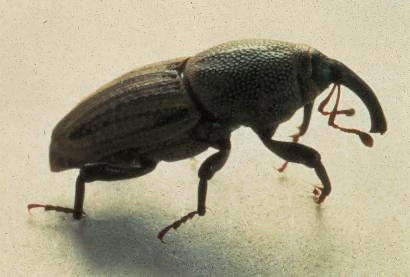
- Adults chew holes in grass stems.
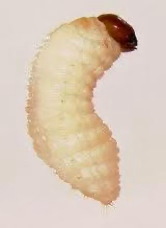
- Larvae feed on stems and roots.
- Grass breaks off easily when tugged.
Life Cycle:
- Adults remain active year-round in warm climates.
- Adults often play dead when disturbed.
- Egg laying occurs during spring and summer.
- Development from egg to adult takes about one month.
- Several overlapping generations may occur.
Chinch Bugs
Signs & Damage:
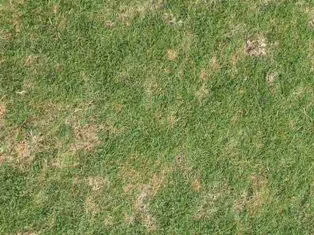
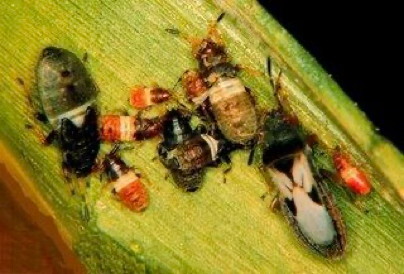
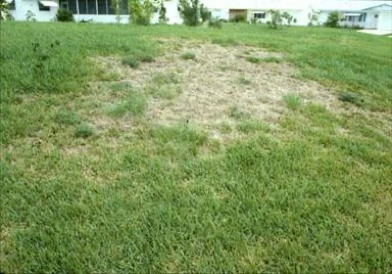
- Irregular patches of wilted yellow-brown turf.
- Feed by sucking juices from grass stems.
- Damage is most severe during hot, sunny, dry weather.
- Heavy infestations can kill large areas of turf.
Life Cycle:
- Eggs are laid in leaf sheaths and stems.
- Nymphs emerge after 1–2 weeks.
- Nymphs mature in approximately 5 weeks.
- Three to seven generations may occur annually.
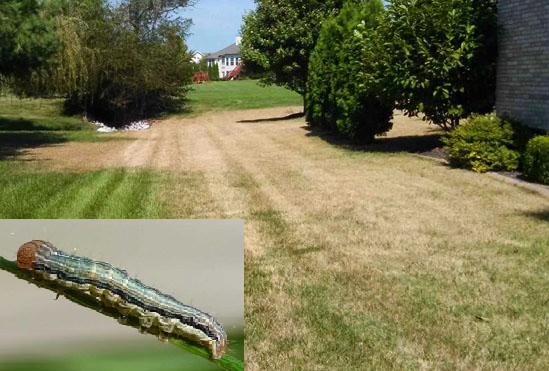
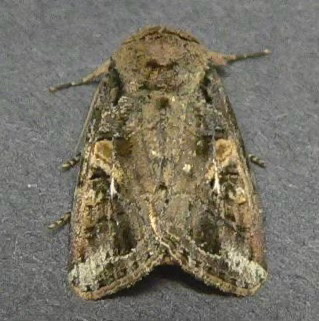
Armyworms
Signs & Damage:
- Chew grass blades, creating bare patches.
- Large populations can destroy a lawn within days.
- Most active at night and during cooler periods of the day.
- Damage can spread rapidly if left untreated.
Life Cycle:
- Adult moths lay eggs on grass blades and nearby surfaces.
- Eggs hatch in approximately one week.
- Larvae feed on grass for 2–3 weeks.
- Pupation occurs in the soil before adult moths emerge.
- Up to ten generations may occur annually.
Grubs
Signs & Damage:
- Large irregular brown patches in turf.
- Root damage causes grass to pull up easily.
- Damage worsens quickly once feeding begins.
- Moles, armadillos, raccoons, and skunks may dig in affected areas searching for grubs.
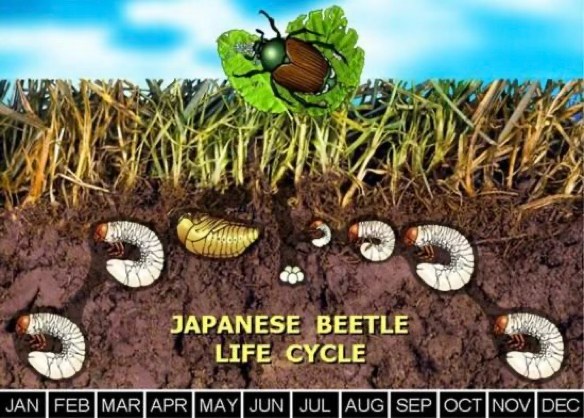
Life Cycle:
- Adult beetles lay eggs during early summer.
- Grubs hatch and feed on roots through fall.
- They move deeper into the soil during winter.
- Spring feeding resumes before they develop into adult beetles.
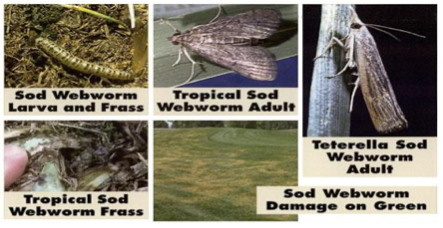
Sod Webworms
Signs & Damage:
- Yellow or brown patches that resemble drought stress.
- Turf may appear scalped.
- Damage commonly begins in late spring and continues through fall.
- Moths flying over the lawn at night can indicate activity.
Life Cycle:
- Moths lay eggs in the grass.
- Eggs hatch in approximately one week.
- Larvae feed for 3–4 weeks before developing into moths.
- Typically two to four generations occur each year.
Common Lawn Diseases
Dollar Spot
Disease Symptoms:
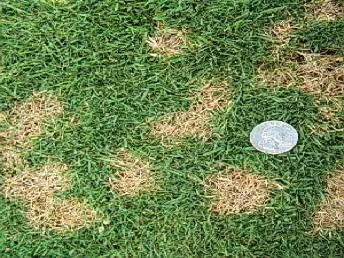
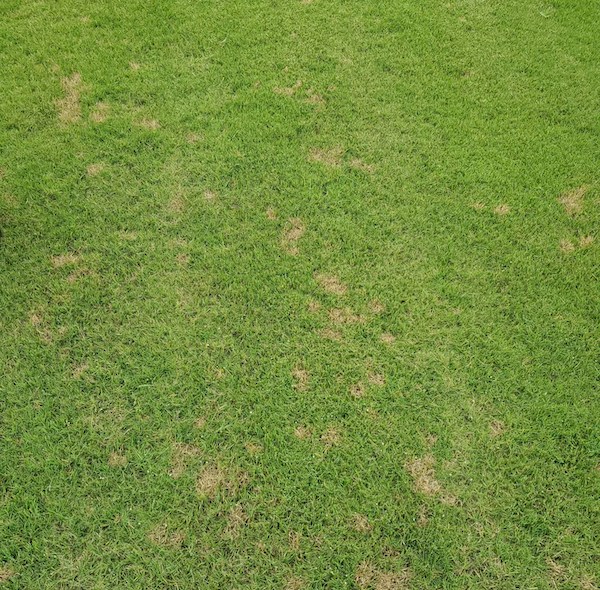
- Silver dollar-sized circular spots that are straw-colored and appear sunken in finer-textured turfgrasses.
- Dead spots are often larger and more diffuse in coarser turfgrasses.
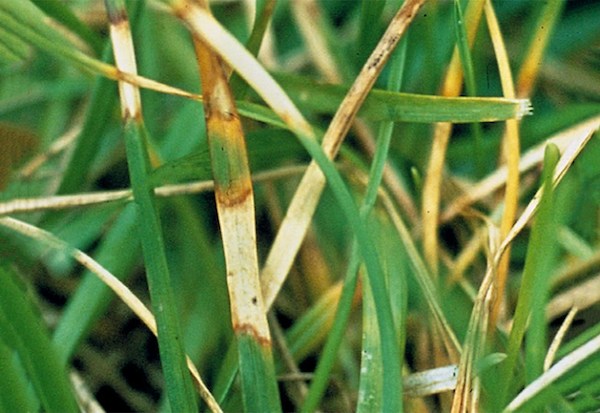
- Light tan spots with reddish-brown borders may radiate from the edge of the leaf blade.
- Hourglass-shaped lesions may develop on leaves.
- Individual leaf blades may show both damaged and healthy sections.
- Delicate mycelium may be visible in the early morning when dew is present.
- Small bleached spots may appear throughout the turf.
Host Grasses:
Most turfgrasses.
Disease Cycle:
- The pathogen overwinters in previously infected plants and turf residue.
- Spreads through plant debris, water, shoes, mowers, and equipment.
- Infects leaves and stems during favorable conditions.
- Most severe during late spring, early summer, and early fall.
Factors That May Promote Disease Development:
- Excessive thatch.
- Low soil fertility.
- Inadequate soil moisture.
- Compacted soils.
- Heavy prolonged dew.
- Uncontrolled infection from the previous year.
- Temperatures between 70°F and 80°F.
Cultural Control:
- Remove excessive thatch.
- Maintain adequate soil fertility, especially nitrogen.
- Water deeply and infrequently.
- Aerify compacted soils.
- Remove dew in the mornings.
- Improve drainage and air movement.
- Raise mowing height when appropriate.
Brown Patch
Disease Symptoms:
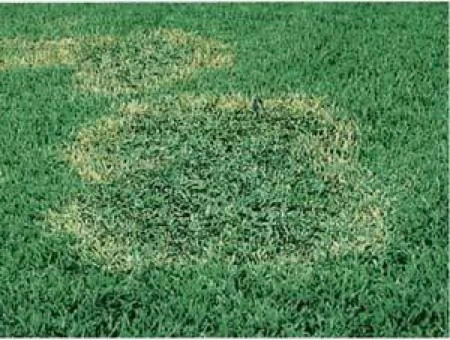
- Brown areas of dead or dying grass that often appear in circular patterns.
- Multiple circles may overlap, creating irregular shapes.
- The disease can spread rapidly and become visible within 48 hours.
- Untreated infections can spread to larger areas of the lawn.
Host Grasses:
Most turfgrasses.
Disease Cycle:
- Develops rapidly when temperatures are between 75°F and 85°F and wet conditions are present.
- Common during spring, fall, and mild winter conditions.
- Occurs after extended periods of leaf wetness.
- Leaves, stems, crowns, and roots may become infected.
Factors That May Promote Disease Development:
- Cool, wet, or humid conditions.
- Extended dew or standing moisture on leaf blades.
- Excessive nitrogen applications.
- Overwatering.
- Poor air circulation.
- Poor soil drainage.
- Excessive thatch.
- Compacted soils.
Cultural Control:
- Water deeply but infrequently.
- Water early in the morning.
- Avoid late afternoon and evening watering.
- Reduce excessive thatch buildup.
- Improve drainage and airflow throughout the lawn.
Our Complete Landscaping Services
-
Concrete Work
Core Aeration
Drainage Systems
Forest Mulching & Grinding
Hardscaping
Irrigation Installation & Repair
Landscaping
Landscaping Lighting Installation & Repair
Lawn Fertilization & Weed Control
Lawn Fertilization in Birmingham, AL
Lawn Insect Control
Lawn Treatment
Patios
Retaining Walls
Shrub Fertilization & Insect Control
Shrub Installation
Sod Installation
Walkways
Weed Control
Start Your Lawn’s Transformation Get a Free Consultation With Our Landscaping Services In Birmingham!