Why Your Lawn Still Has Weeds After Treatment
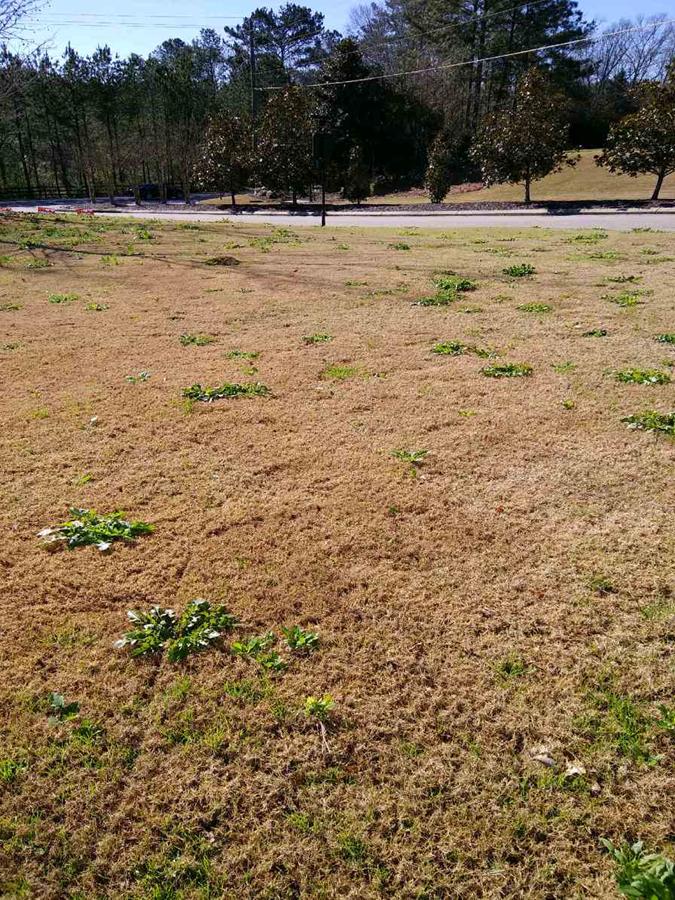
You scheduled lawn care, the yard was treated, and yet a week later, you still spot clover and crabgrass poking through. It's frustrating, but it's also common in Birmingham’s long growing season. The truth is that lawn fertilization and weed control are processes, not a single event. In fact, not every weed will disappear after one visit. Below, we explain why weeds can hang on after treatment and how a professional, seasonal plan tailored to Birmingham turns the corner for good.
Weeds Germinate In Waves Across Our Seasons
Our area sits in the transition zone, which means warm-season and cool-season weeds both thrive. Spring starts early, summer runs hot and humid, and fall often stays mild. That creates multiple germination windows, so weeds keep showing up in fresh “waves.” Even when a visit knocks back what is visible, new seeds in the soil can sprout weeks later.
Pre-emergent products help block many annual weeds before they sprout, while selective post-emergents target what you can already see. If you received only one part of that strategy or the visit landed between waves, you may still notice new growth afterward. A season-long schedule layers both approaches to shrink that seed bank over time.
Here are common culprits we see in and around Birmingham, Vestavia Hills, and Hoover:
- Crabgrass and goosegrass once the soil warms in late spring and summer
- Nutsedge thriving in damp or compacted spots
- Clover and chickweed that love cooler months
- Virginia buttonweed and dallisgrass that shrug off light treatments
- Poa annua appears in winter and early spring
Annual weeds can be controlled in one season when the timing is right. Perennial weeds and deep-rooted sedges are tougher. They demand repeated attention because their underground parts can re-sprout long after the top growth curls.
Perennial and Tough Species Need Repeat Visits
Not all weeds respond the same way. Perennials like Virginia buttonweed or dallisgrass have robust root systems. Nutsedge grows from nutlets that sit under the surface and send up fresh shoots. These are not one-and-done situations. Perennial weeds often require follow-up visits with specific products designed for that plant family and that growth stage.
Think of each visit as steady pressure. The first application weakens the plant. The second targets regrowth before it rebuilds strength. The third and beyond prevent a rebound. Many homeowners notice the plant looks twisted or lighter green within days, but full decline can take a couple of weeks. Stubborn patches will still need return trips to finish the job.
Weather and Timing Can Limit Results
Weather sets the stage. Birmingham’s pop-up thunderstorms, summer heat, and occasional dry spells all influence how products perform. If heavy rain arrives before a product becomes rainfast, some of it can wash from the leaf surface. If heat stress is high, the plant may not absorb the application as expected. On the flip side, cool snaps can slow how quickly a weed shows symptoms.
That is why responsible programs plan a sequence of visits across the year rather than betting everything on one day. The timing of pre-emergents, the growth stage of the weed, and recent weather all shape what you see after treatment. Timing matters because the same weed can respond very differently at different life stages.
Local insight: Afternoon downpours are common in Birmingham from late spring through summer. If a storm rolls in soon after a post-emergent visit, visible results may slow. Expect weeds to curl or yellow within several days, with more noticeable decline in the 1 to 2 week range, then follow up as needed.
Soil and Turf Density Drive Weed Pressure
Weeds love opportunity. Thin turf, compacted soil, and bare patches are open invitations. Many Birmingham yards have heavy clay that compacts easily under foot traffic or mower wheels. When the soil is tight, grass roots struggle, and weeds win. Soil pH that has drifted out of the ideal range also affects nutrient uptake. If the grass is underfed or stressed, weeds fill the gaps.
Professional programs look beyond the weeds. They focus on the grass plant and the soil beneath it. Seasonal nutrition and targeted weed control work together so the turf thickens and shades the soil. Over time, more grass means fewer openings for seeds to take hold. If your plan includes diagnostics and seasonal monitoring, it's easier to correct the conditions that let weeds in.
If you want a broader view of how recurring visits fit together, the lawn treatment category explains how fertilization, pre-emergents, and selective controls line up across the year for lasting results.
Lawn Conditions Across Different Parts of Birmingham
Neighborhoods across the metro can look similar at a glance but behave differently. Homewood and Mountain Brook often feature mature shade trees that thin warm-season turf in summer. Trussville and Gardendale see vigorous growth in full-sun areas but can struggle along drainage swales after big rains. On sloped sites in Hoover or Alabaster, water runs off quickly, which dries the top layer and stresses turf between showers. All of these micro-conditions change how weeds respond after a visit and how soon you notice improvement.
Why New Weeds Show Up Right After You Saw A Tech
It's normal to spot weeds emerging days after a service call. Those plants likely sprouted from seeds that had not cracked the surface at the time of treatment. As they appear, they are queued for the next visit or a targeted follow-up if needed. Meanwhile, treated weeds are already under stress, even if they still look green for a few days. Different active ingredients produce different visual cues, from leaf twisting to yellowing, before the plant declines.
The seed bank in your soil is a reservoir built over the years. Each round of service reduces that reservoir, but it rarely vanishes in a single season. The goal is steady reduction and thicker turf, which together make future outbreaks smaller and easier to control.
What A Pro Program Looks Like
Every yard is unique, but effective programs share a few building blocks. They map the calendar to Birmingham’s climate and to your turf type, then apply the right tools at the right times. Here is what that typically includes from a quality landscaping partner like Classic Gardens & Landscape, Inc.:
- Scheduled pre-emergent barriers to block new waves of annual weeds
- Selective post-emergent treatments for visible broadleaf and grassy weeds
- Balanced fertilization to feed turf so it can outcompete intruders
- Spot treatments for sedges and hard-to-control perennials between rounds
- Checkups that track hot spots, shade impacts, and drainage issues
This is not a quick fix. It's a rhythm that matches our local growing season. When visits land on schedule, the yard stabilizes. Thin areas close in, and the list of problem weeds shrinks.
How Long Until You See A Noticeable Difference
Most homeowners start to see a visual change within the first 1 to 3 weeks as treated weeds fade and turf color improves with nutrition. By mid-season, the lawn usually looks more even and stays cleaner between visits. Heavily infested properties or sites with difficult species may need additional rounds and a full season to reset expectations. The second season is often when the yard feels easy, because the seed bank and the worst perennials have been reduced.
Results also depend on the surrounding environment. If an adjacent lot is weedy, windblown seeds can add pressure. Curbs, sidewalk cracks, and fence lines can act like seed feeders. Your program accounts for that by returning on schedule and reestablishing control after each new wave.
Reasons Weed Control Can Seem “Uneven” Across The Yard
It's common to notice some zones clear faster than others. Sun exposure, moisture, and soil compaction vary even within a small space. Areas by downspouts might favor sedges. Thin strips along driveways heat up faster and push summer annuals. Shady pockets under hardwoods may resist thick turf in late summer. A good plan tracks those patterns and applies extra attention where needed.
In short, the weeds you see after a visit are not proof that treatment failed. They are a sign that your lawn is mid-process. The next rounds build on the first, and the overall trajectory gets cleaner each month that passes on schedule.
Why Trust A Local Landscaping Team
Local experience matters when the calendar, climate, and weed species are this specific. Classic Gardens & Landscape, Inc. works in Birmingham every week, so we understand how this year’s rain pattern or heat streak changes the plan. We also know how to tailor care for common turf types in our area. That includes how zoysia, bermuda, and fescue respond in different neighborhoods and what to expect on sloped clay soils after summer storms.
Set Realistic Expectations and Get Pro Support
Weeds are persistent, but they're not invincible. The right sequence of visits, tuned to local weather and turf type, makes the difference. You will see small victories early, bigger wins mid-season, and a clear, low-weed lawn as consistency compounds round after round.
Ready for a thicker, cleaner yard? Schedule professional lawn fertilization & weed control in Birmingham with Classic Gardens & Landscape, Inc. today at 205-854-8001 started.
Start Your Lawn’s Transformation Get a Free Consultation With Our Landscaping Services In Birmingham!